
Powered by Plants: How Vegan Diets Fuel Athletic Excellence
Can you build muscle on a vegan diet? New 2025 research confirms plant-based athletes match omnivores in strength and often beat them in endurance and recovery. Learn the science behind fueling your fitness at St.Veg.

Whether you are training for a marathon, hitting the gym, or just living an active lifestyle here in Maryland, a common question we hear is: "Can I really perform my best on plants?"
The old myth was that you needed animal protein to build muscle or stamina. But times—and the science—have changed. As we kick off 2026, a wave of new studies has confirmed what many top athletes (and our regulars!) already know: Plants aren't just "sufficient" for athletes; in many ways, they are a superpower.
Whether you’re a weekend warrior on the trails in Rock Creek Park or training for your next marathon, here is the breakdown of the latest research on how a vegan lifestyle impacts your athletic performance.
1. The Endurance Advantage: The "Engine" Upgrade
If you are a runner, cyclist, or swimmer, listen up. Research shows that plant-based athletes often have a distinct edge when it comes to aerobic capacity.
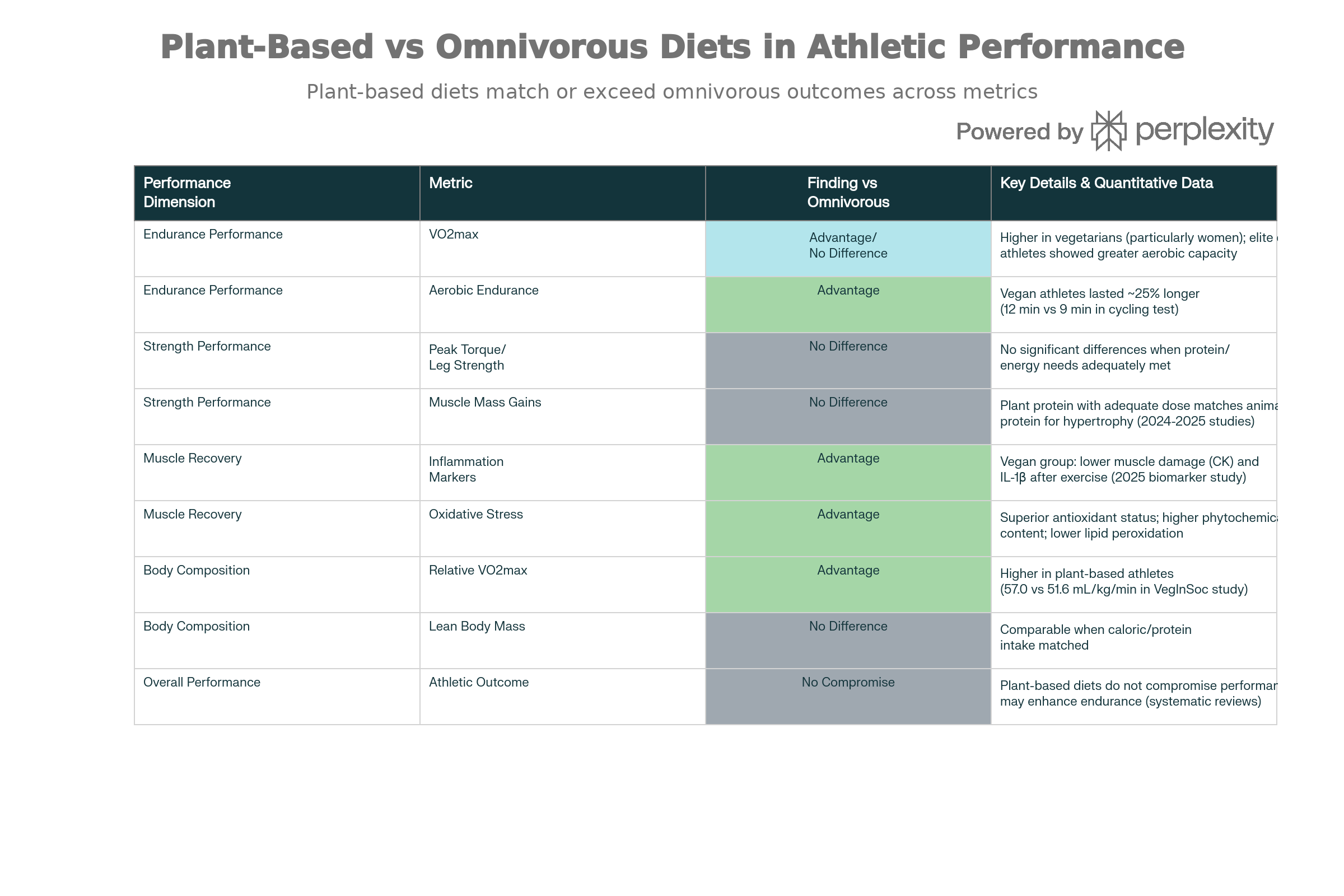
A major study found that vegetarian endurance athletes possessed significantly higher VO₂max (the gold standard for measuring aerobic fitness) compared to their meat-eating counterparts. Even more impressive? In endurance cycling tests, vegan athletes were able to sustain their performance for 25% longer before exhaustion. [1][2]
Why? Plant-based diets are naturally rich in nitrates (found in beets and leafy greens) and antioxidants, which improve blood flow and oxygen delivery to your muscles. It’s like high-octane fuel for your body's engine.
2. Strength & Muscle: Busting the Protein Myth
"Where do you get your protein?" is the question that never dies. But 2025 was a huge year for putting this worry to rest.
Equal Gains: A groundbreaking study published recently showed that when protein intake is matched, there is zero difference in muscle gains between vegans and omnivores. That’s right—whether the amino acids come from a steak or a tempeh bowl, your muscles can’t tell the difference. [3]
It’s About Quality: The key is combining sources. While single plant proteins may be incomplete, blends (like pea and rice protein) can match whey protein in effectiveness. [4] (Pro tip: This is why our menu at St.Veg is packed with protein-dense legumes, seeds, and grains!).
The Magic Number: Another 2025 meta-analysis confirmed that plant-based diets do not compromise muscular strength. The secret isn't the source of the protein; it's getting enough of it. (1.2-1.6 g/kg for endurance; 1.6-1.8 g/kg for strength sports). [5]
3. The Secret Weapon: Faster Recovery
This is where the vegan diet truly shines. Training breaks you down; recovery builds you up. And plants are the ultimate recovery tool.
Less Damage: A study comparing athletes after intense exercise found that vegans had significantly lower muscle damage markers (like Creatine Kinase). [6]
Fighting Inflammation: The abundance of antioxidants and phytochemicals in plant foods helps reduce the oxidative stress caused by heavy training. This means you can potentially bounce back faster and train harder.
4. The "St.Veg" Strategy: How to Do It Right
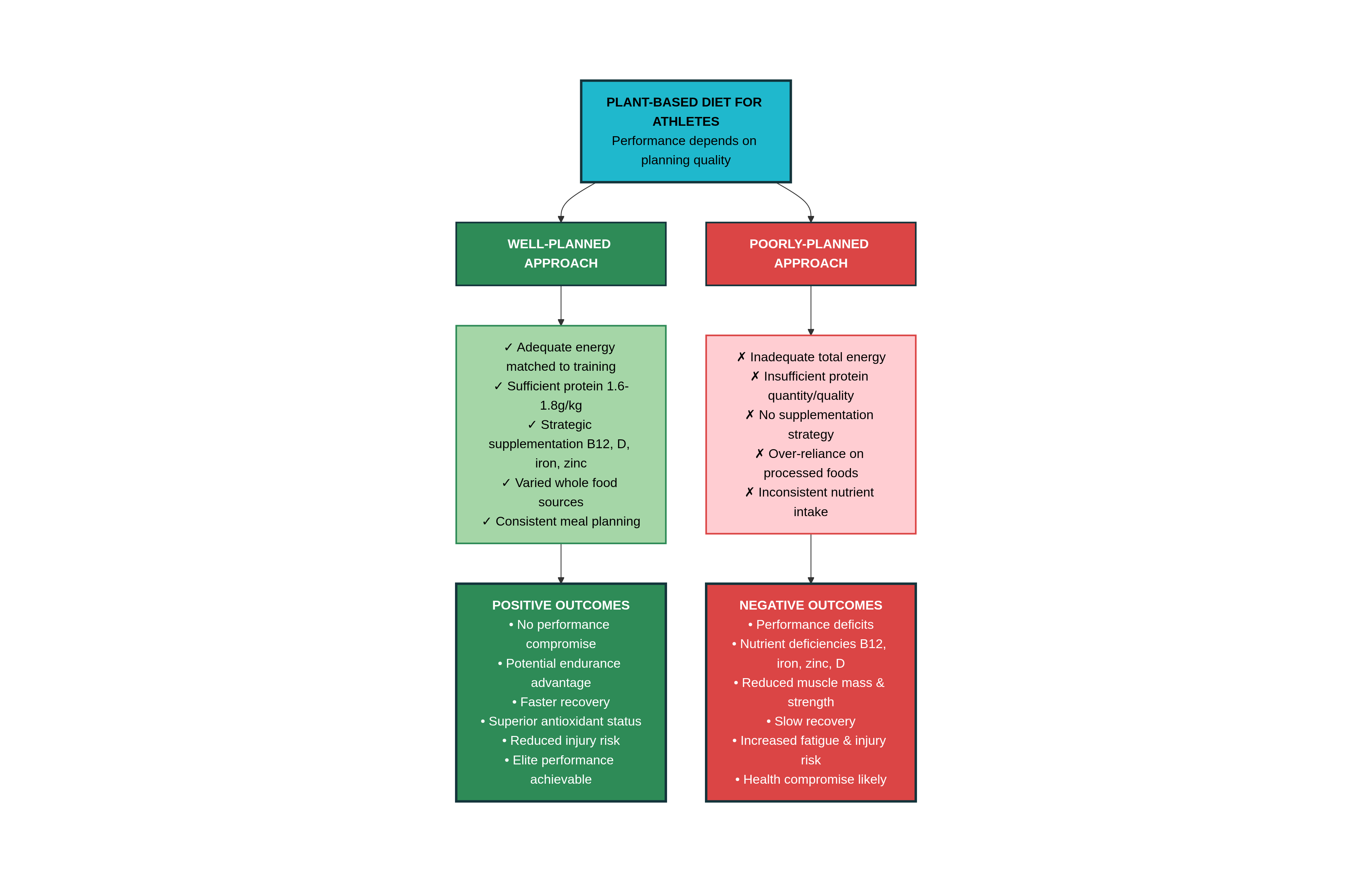
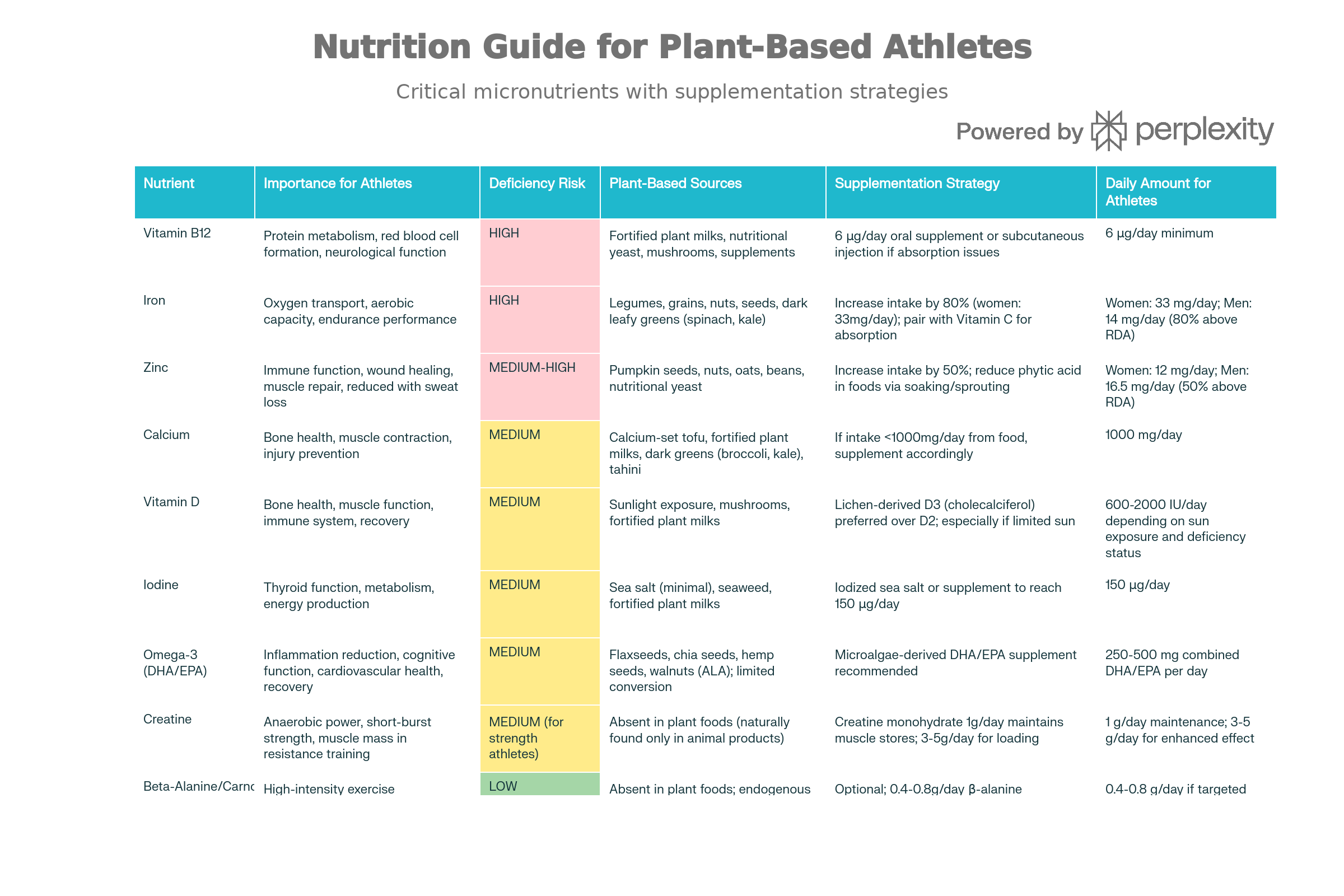
While the benefits are clear, you can't just survive on french fries and expect to win gold. The research highlights that planning is key. To perform like a pro, you need to focus on a few essentials:
Vitamin B12: This is non-negotiable. Because B12 isn't found in plants, a daily supplement (6 µg) is essential to prevent fatigue and neurological issues. [7][8]
Iron: Vegans need about 80% more iron than omnivores because plant iron is harder to absorb. Pro-tip: Pair your iron-rich greens with Vitamin C (like lemon juice or bell peppers) to boost absorption. [9]
Zinc & Vitamin D: These are critical for immune health and performance. Zinc needs are slightly higher for vegans, and Vitamin D should be supplemented, especially during our Maryland winters. [10]
Omega-3s: Consider an algae-based supplement to ensure you are getting enough EPA and DHA fatty acids. [11]
The Bottom Line
The verdict is in: You don't need animals to be an animal in the gym. With superior recovery times, elite endurance potential, and equal strength gains, a well-planned vegan diet is a legitimate performance enhancer.
Next time you stop by St.Veg, know that you aren't just eating delicious food—you're fueling your body with the high-performance nutrition it craves.